October 1, 2026 · 4 min read
Closing Costs Explained: What East Bay Buyers Should Know
By Anthony RenowitzkyREALTOR®, Fohl Realty & Investments
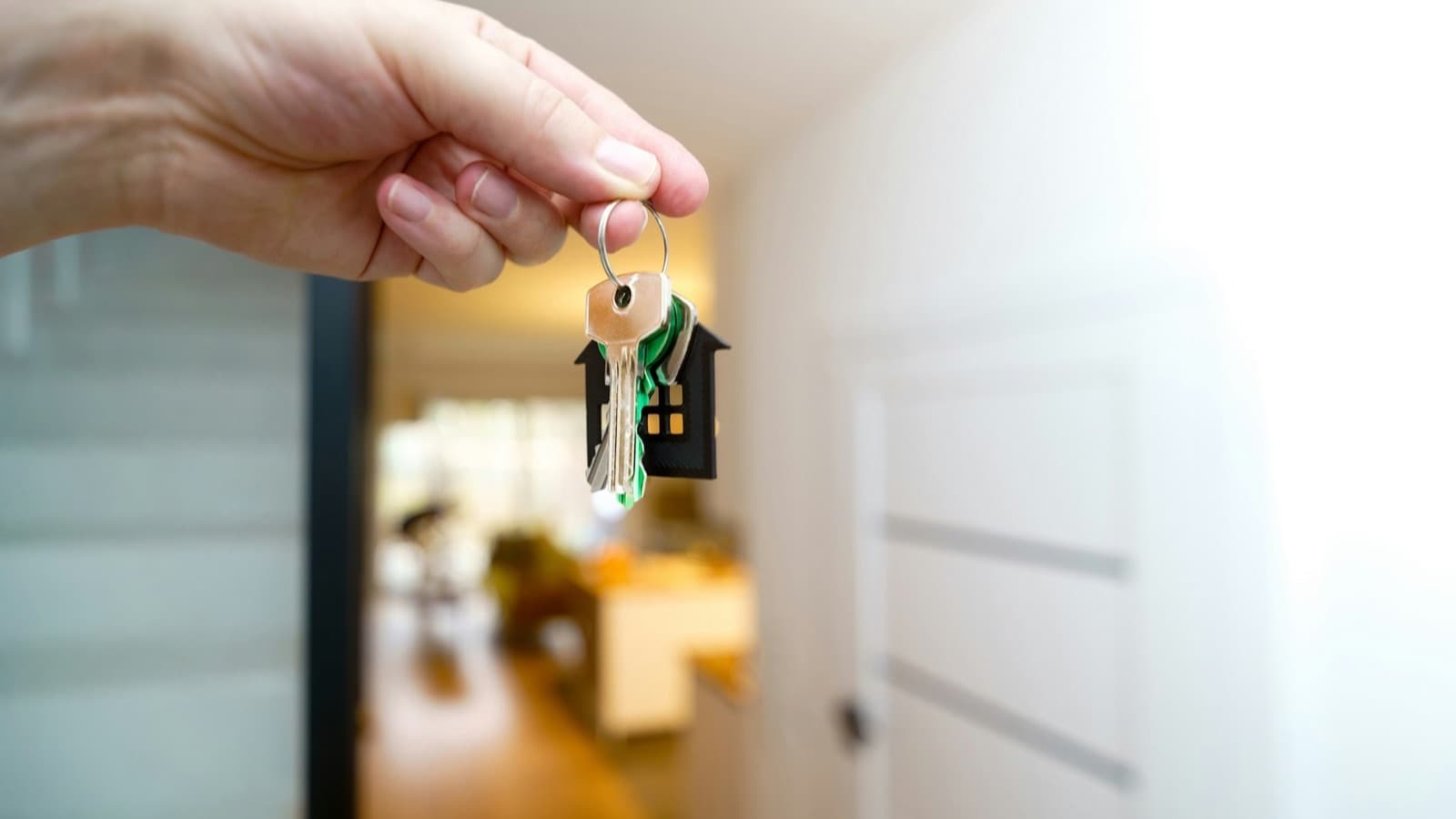
When people start saving for a home, they almost always focus on the down payment. That makes sense. It is the biggest number. But there is a second set of costs that surprises a lot of first time buyers right near the finish line. These are called closing costs.
I have walked many buyers through this in Hayward, San Leandro, Castro Valley, Fremont, and nearby cities. The ones who knew what to expect felt calm on closing day. The ones who did not felt rushed and stressed. So let me explain closing costs in plain words, so you can plan for them from the start.
What closing costs are
Closing costs are the fees and upfront payments that come due when your home purchase becomes final. They are separate from your down payment. Some pay the people and companies who help make the sale happen. Others are bills for your new home that get paid ahead of time.
The total depends on your loan, the price of the home, and the terms of your deal. That is why I never guess at a number for you. Your lender can give you a real estimate based on your situation.
Costs that come from your loan
If you are getting a mortgage, a good share of your closing costs will come from the loan itself. These can include a fee for setting up and processing the loan, a credit report, and the appraisal. The appraisal is when a licensed appraiser checks that the home is worth what you are paying. Some buyers also choose to pay points, which is money paid up front to lower the interest rate.
Every lender sets its own fees, and they are not all the same. This is one of the best reasons to compare more than one lender before you choose.
Title and escrow
Here in California, a neutral escrow company holds the money and papers while the sale is in progress. They make sure everyone does what the contract says before anything changes hands. Escrow charges a fee for that work.
You will also see costs for title. A title company checks public records to make sure the seller truly owns the home and that there are no surprise claims against it. Title insurance then protects against problems with ownership that were missed. Who pays which of these fees can vary by area and by deal, and it is often something we can negotiate.
Prepaid items for your new home
Some closing costs are not really fees at all. They are bills for your new home that get paid at the start. This often includes your first year of homeowners insurance, some property taxes, and interest on your loan for the rest of the month you close.
Many lenders also set up an account to collect your property taxes and insurance a little at a time with each mortgage payment. To start that account, they may ask you to put some money into it at closing. It can feel like a lot at once, but this money still goes toward costs you would pay as an owner anyway.
Two papers that show your numbers
You do not have to wonder what you will owe. Soon after you apply for a loan, your lender sends you a Loan Estimate. It lists your expected rate, monthly payment, and closing costs. Before closing, you get a Closing Disclosure with the final numbers.
Put the two side by side and compare them line by line. If something changed or does not make sense, ask your lender right away. I am always glad to look them over with you too. No question is too small when it is your money.
Ways to bring your costs down
There are a few honest ways to lower what you pay at closing. First, shop around. Get Loan Estimates from more than one lender and compare the fees, not just the rate. Second, ask your lender if there are any buyer programs you may qualify for, especially if this is your first home.
Third, you can sometimes ask the seller to help. This is called a seller credit, where the seller covers part of your closing costs as part of the deal. Whether that makes sense depends on the home and how much interest there is from other buyers. I will tell you straight when it is worth asking and when it could weaken your offer.
Protect your money on closing day
Most buyers send their down payment and closing costs to escrow by wire transfer. Sadly, scammers know this. They sometimes send fake emails that look like they came from escrow, an agent, or a lender, with new wiring instructions.
Here is my simple rule. Never wire money based on an email alone. Always call your escrow officer at a phone number you already know is real, and confirm the instructions out loud before you send anything. If anything feels off, stop and call me. Taking five extra minutes is always worth it.
Want help planning your purchase?
If you are thinking about buying, let us talk early so closing costs are part of your plan from day one. I can point you to trusted local lenders, help you read your numbers, and guide you all the way to your keys. For questions about how any of these costs affect your taxes, a CPA is the right person to ask. And if you own a home you would need to sell first, start with a free home evaluation so you know exactly where you stand.
Anthony Renowitzky · REALTOR®, Fohl Realty & Investments· DRE #01893592